Commercial / Heritage
Heritage and Restoration. More than a standard repaint.
Heritage work involves careful consideration of a building's history and colour. Every surface carries a record of decisions made by someone else, often decades ago. The job is to understand that record, respect it, and add to it in a way that holds up over time.
Finesse has worked on some of New Zealand's most recognised heritage structures. The Edmonds Band Rotunda on the Avon River in Christchurch, recognised with a Master Painters Silver Award, and the Queenstown War Memorial, delivered for Naylor Love Queenstown.
Sector
What we do in heritage
Heritage repaint and restoration
Listed and unlisted heritage buildings, public works, civic buildings, churches, halls, and villas of significance. We work to heritage consent conditions where they apply and document the work to the standard the consent expects.
Sampling and colour matching to historic record
We sample on the substrate before any committed work begins, propose the colour match in writing, and apply a sample before anything is signed off. The heritage architects, asset owner, or trust confirms before the system rolls out across the building.
Substrate-appropriate preparation
Old timber, plaster, render, and joinery each require a different approach rather than just a standard repaint. We assess each surface before we start and prepare accordingly. We use methods that protect the original detail rather than work against it.
Sector
Selected work
Featured projects
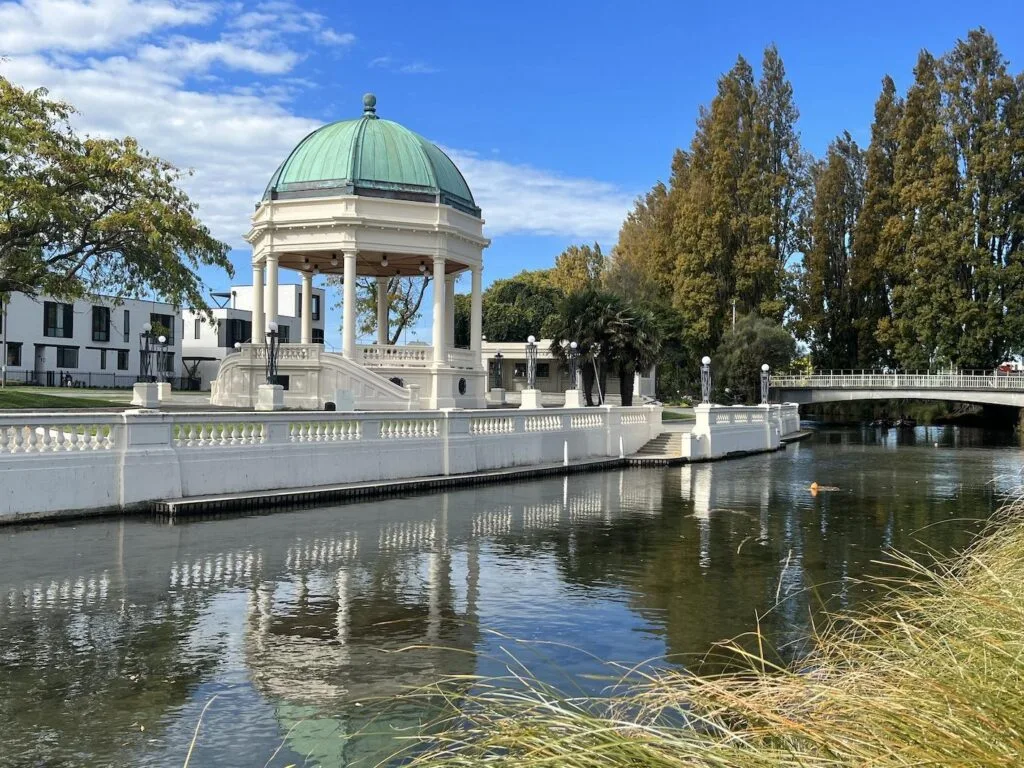
A full exterior repaint using the Dulux Atex masonry system in Canterbury Clay across the columns, balustrade, stair structure, and plinth. The eight lamp stands were finished in Resene New Denim Blue to a three-coat system. The red cedar ceiling, with its starburst detail, was oiled rather than painted.
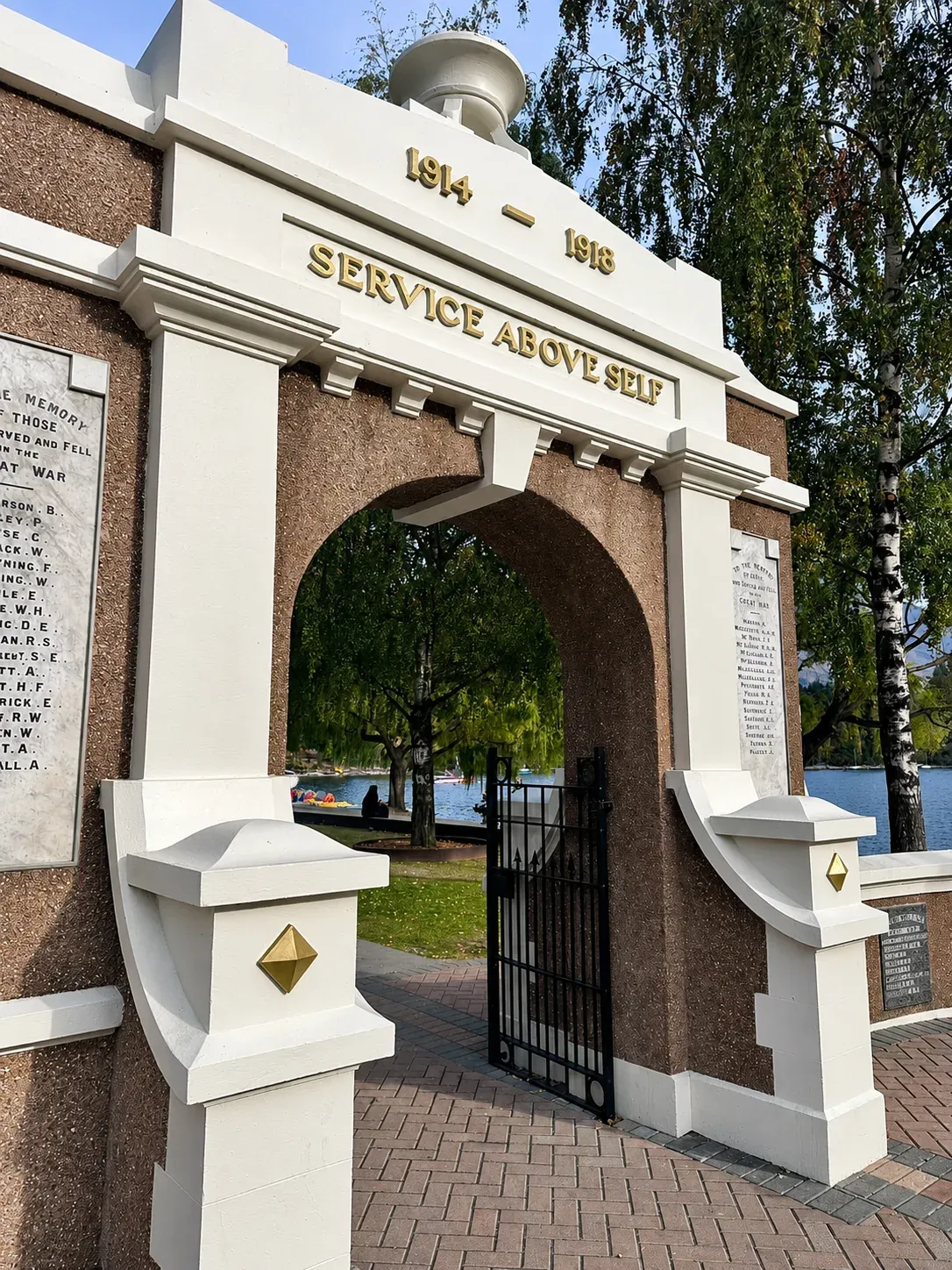
All white concrete and plaster surfaces repainted in Resene Thorndon Cream, covering the wingwall cappings and end bollards, white plaster trims, the main archway, and the bowl above. The steel gates were finished in black. The gold elements were left untouched.
Coverage
Nationwide, travelling from seven bases.
Regional BaseWe Work Here Too
Tell us about the building, the consent status, and the scope. We will arrange a site walk and go from there.